

• Log In
  • Join
  • Shop
  • Donate
The Christian Medical Fellowship: Uniting & equipping Christian doctors & nurses to live & speak for Jesus Christ.
  • 0Shopping Cart
Christian Medical Fellowship
  • About
    • About
      • the Christian Medical Fellowship unites and equips Christian doctors and nurses to live and speak for Jesus Christ. We were formed in 1949. We currently have 4,000 doctors, 500 medical and nursing students, and 450 nurses and midwives as members.
      • Who we are

        find out about us and contact the team
        • heritage
        • staff
        • trustees
        • vacancies
      • What we do

        • aims
        • what we do
        • frequently asked questions
      • What we believe

        the core beliefs and values behind CMF, and who we associate and work with
        • statement of faith
        • affiliations
  • News
    • Latest News
      • what we are writing about
        • Blogs
      • person writing a letter

        A letter to our fellow resident doctors

        December 12, 2025
        Read more
        https://www.cmf.org.uk/wp-content/uploads/2025/12/Dear-fellow-Residents.-1.png 1440 2560 christianmf https://www.cmf.org.uk/wp-content/uploads/2023/08/CMF-Logo-MONO-TRANSPARENT-340px.png christianmf2025-12-12 17:55:582025-12-13 18:23:30A letter to our fellow resident doctors

        the trouble with opt-outs

        December 1, 2025
        Read more
        https://www.cmf.org.uk/wp-content/uploads/2023/08/organ-donation.jpg 240 400 Trevor Stammers https://www.cmf.org.uk/wp-content/uploads/2023/08/CMF-Logo-MONO-TRANSPARENT-340px.png Trevor Stammers2025-12-01 08:00:492025-11-27 13:23:42the trouble with opt-outs

        Three-parent embryos: can the end ever justify the means?

        August 12, 2025
        Read more
        https://www.cmf.org.uk/wp-content/uploads/2025/08/AdobeStock_1252305052-scaled.jpeg 1440 2560 Dr Rick Thomas https://www.cmf.org.uk/wp-content/uploads/2023/08/CMF-Logo-MONO-TRANSPARENT-340px.png Dr Rick Thomas2025-08-12 08:00:412025-08-08 10:29:05Three-parent embryos: can the end ever justify the means?
  • Events
    • Latest Events
      • book in for CMF conferences, training days, and other events for Christians in the healing and caring professions
      • Current Month

        Date

        Event Type

        All

        Doctors

        Global

        Nurses & Midwives

        Resident Doctors

        Students

        13jan12:00 pm1:30 pmFeaturedRepeating EventGlobal Training Modules 2025-6

        Event Details

        Are you working in Global Health and Mission? Are you a generalist? CMF Global is hosting a series of interactive online training modules. These will be collaborative, with teaching, questions and

        Event Details

        Are you working in Global Health and Mission?

        Are you a generalist?

        CMF Global is hosting a series of interactive online training modules. These will be collaborative, with teaching, questions and feedback. The tutorials are led by General Practitioners and Specialists with experience in working with limited resources in a rural context.

        Date Time Topic
        Tuesday 9 September 2025 12.00-13.30 Managing Hypertension & Diabetes in LMICs
        Tuesday 14 October 2025 12.00-13.30 Paediatric Neurology – with a focus on epilepsy and spina bifida
        Tuesday 11 November 2025 12.00-13.30 Where there is no Orthopaedic Surgeon
        Tuesday 13 January 2026 12.00-13.30 Treating Malnutrition when resources are limited
        Tuesday 10 February 2026 12.00-13.30 Rheumatology for the generalist
        Tuesday 10 March 2026 12.00-13.30 Update on TB & HIV
        Tuesday 12 May 2026 12.00-13.30 Schistosomiasis
        Tuesday 9 June 2026 12.00-13.30 Common urological problems

        more

        Time

        January 13, 2026 12:00 pm - 1:30 pm(GMT+00:00)

        CalendarGoogleCal

        Future Event Times in this Repeating Event Series

        february 10, 2026 12:00 pm - february 10, 2026 1:30 pmmarch 10, 2026 12:00 pm - march 10, 2026 1:30 pmmay 12, 2026 12:00 pm - may 12, 2026 1:30 pmjune 9, 2026 12:00 pm - june 9, 2026 1:30 pm

        Yarnfield, Stone ST15 0NLYarnfield Park Training & Conference Centre

        30jan01febStudent Conference 2026

        Event Details

        Select:ID Who are you? It is a fundamental question to answer as you start your journey as a health professional. The world has a lot of answers, you are your

        Event Details

        Select:ID
        Who are you?

        It is a fundamental question to answer as you start your journey as a health professional. The world has a lot of answers, you are your job, your sexuality, your gender, or your racial and national identity. But the gospel of Jesus tells us that we are forgiven, we are chosen, we are beloved, we are made holy, and we are God’s own treasured possession. How do we live out that truth in our everyday life, our studies, and our careers?

        Join us at CMF’s Student Conference – from 30 January to 1 February 2026 (Yarnfield, Staffordshire)

        Bookings have now closed.

        We still have places available on the coach from London to Yarnfield so please email events@cmf.org.uk

        Thanks to generous donations, extra subsidies may be available to help students attend the Student Conference. If any bursary is available, we’ll be in touch — any support will be arranged as a refund after the event.

        For non-Students
        If you have happy memories of your time at Student Conference, or if you would like to invest in the next generation of Christians healthcare professionals please use the donation form:

        more

        Time

        January 30, 2026 5:00 pm - february 1, 2026 3:00 pm(GMT+00:00)

        Location

        Yarnfield, Stone ST15 0NL

        Yarnfield Park Training & Conference Centre

        CalendarGoogleCal

        03mar(mar 3)7:30 pm24(mar 24)9:30 pmSaline Soultion Course

        Event Details

        Every Christian health professional has a unique opportunity to improve their patients’ physical and spiritual health, but many feel frustrated by the challenge of integrating faith and practice within time

        Event Details

        Every Christian health professional has a unique opportunity to improve their patients’ physical and spiritual health, but many feel frustrated by the challenge of integrating faith and practice within time constraints and legal obligations.

        However, the medical literature increasingly recognises the important link between spirituality and health and GMC guidelines approve discussion of faith issues with patients provided that it is done appropriately and sensitively.

        Christians are called to be ‘the salt of the earth’. Saline Solution is a course designed to help Christian healthcare professionals bring Christ and his good news into their work. It has helped hundreds become more comfortable and adept at practising medicine that addresses the needs of the whole person.

        Monday 2, 9, 16, 23 March, 7.30-9.30pm online


        more

        Time

        March 3, 2026 7:30 pm - march 24, 2026 9:30 pm(GMT+00:00)

        CalendarGoogleCal

        Yarnfield, Stone ST15 0NLYarnfield Park Training & Conference Centre

        07may(may 7)3:30 pm08(may 8)5:00 pmNAMfest 2026Dressed in Christ and ready for work

        Event Details

        Dressed in Christ, ready for work Thursday 7 - Friday 8 May 2026, Yarnfield Park Training & Conference Centre, Staffordshire, 

        Event Details

        Dressed in Christ, ready for work

        Thursday 7 – Friday 8 May 2026,

        Yarnfield Park Training & Conference Centre, Staffordshire, ST15 0NL

        It’s seven o’clock, so it’s time to get changed. He pulls his lanyard over his head, unpins his name badge and stuffs them both in his rucksack as he heads home. She ties up the drawstrings of her scrub trousers and slips on her Crocs before heading onto the ward for handover. These are their end and beginning rituals, of putting off and putting on.

        The apostle Paul encouraged Christians in the early church to change their attire, too. He instructed them to doff their old self, and their former way of life, and to don their ‘…new self, created to be like God in true righteousness and holiness’. (Ephesians 4 :24b)

        What impact would it have if we stepped into Christ’s changing room and took off old garments that weigh heavily and hinder us? Could we see a shift change in toxic workplace cultures, too, as we clothe ourselves distinctly in his love? As we gather together at NAMfest, we’ll be asking God for changeover. May he renew our minds and break through in our workplaces.

        Cost:

        £95 for full NAMfest (£75 for students)

        £45 for a Friday day ticket only; includes lunch

        more

        Time

        May 7, 2026 3:30 pm - may 8, 2026 5:00 pm(GMT+00:00)

        Location

        Yarnfield, Stone ST15 0NL

        Yarnfield Park Training & Conference Centre

        CalendarGoogleCal

      • See all events
  • Ministries
    • Ministries
      • the heart and soul of the fellowship
        • senior doctors and retirees
        • resident doctors
        • students
        • nurses & midwives
        • global
        • ethics, advocacy & public policy
        • volunteering & training
        • pastoral
        • member services
        • other
  • Resources
    • Resources
      • CMF's resources are there for Christians working or studying in the health professions, as well as for churches and Christians in general
        • publications
        • bookstore
        • blogs
        • subject archive
        • podcasts
        • global resources
        • prayer resources
      • https://www.cmf.org.uk/wp-content/uploads/2025/10/Cover.png 503 359 Steve Fouch https://www.cmf.org.uk/wp-content/uploads/2023/08/CMF-Logo-MONO-TRANSPARENT-340px.png Steve Fouch2025-10-17 14:46:542025-11-06 20:06:28Triple Helix – autumn 2025
        https://www.cmf.org.uk/wp-content/uploads/2024/09/Freshers-Nucleus.png 610 424 Steve Fouch https://www.cmf.org.uk/wp-content/uploads/2023/08/CMF-Logo-MONO-TRANSPARENT-340px.png Steve Fouch2025-09-05 14:54:582025-09-05 14:54:58Freshers’ Nucleus 2025
        spotlight winter 2025
        https://www.cmf.org.uk/wp-content/uploads/2025/12/featured-spotlight-winter-25-image.png 737 733 christianmf https://www.cmf.org.uk/wp-content/uploads/2023/08/CMF-Logo-MONO-TRANSPARENT-340px.png christianmf2025-12-15 18:16:442025-12-15 18:16:44spotlight | winter 2026
        https://www.cmf.org.uk/wp-content/uploads/2025/11/CMFFile78Thumbnail.png 1056 752 christianmf https://www.cmf.org.uk/wp-content/uploads/2023/08/CMF-Logo-MONO-TRANSPARENT-340px.png christianmf2025-11-03 13:58:142025-11-06 20:48:28CMF file 78 – ethics: a matter of principle
        prayer diary dec to march 26 thumbnail
        https://www.cmf.org.uk/wp-content/uploads/2025/12/prayer-diary-dec-to-march-26-thumbnail.png 373 258 christianmf https://www.cmf.org.uk/wp-content/uploads/2023/08/CMF-Logo-MONO-TRANSPARENT-340px.png christianmf2025-12-01 13:30:392025-12-01 13:30:39Prayer Diary | December 2025-March 2026
  • Contact
    • Contact Us
      • We aim to reply as quickly as possible. If you want us to telephone, please include a phone number in your email text.
      • Member services

        for any communications and questions about CMF membership
        • member services ministry page
        • financial queries
        • frequently asked questions
        • privacy policy
        • safeguarding policy
        • legal and copyright
      • Room hire

        looking for a meeting place in London? Our meeting rooms are available in central London
        • conference and meeting rooms
      • Get in Touch

        • contact CMF
  • Search
  • Menu Menu
  • About
    • Who We Are
      • Our Heritage
      • CMF Staff Team
      • Trustees
      • Vacancies at CMF
    • What We Do
      • our aims
      • What We Do
      • Frequently asked questions
    • What We Believe
      • Statement of faith
      • Affiliations
  • News
  • Events
  • Ministries
    • Seniors
    • Residents
    • Students
    • Nurses & midwives
    • Global
    • Ethics, Advocacy & Public Policy
    • Volunteering & training
    • Pastoral
    • Member services
    • Other ministries
  • Resources
    • Publications
    • Bookstore
    • Blog
    • Student Archives
    • Podcasts
    • Global Resources
    • Prayer Resources
  • Contact
    • Members Services
      • Member services
      • Privacy Policy
      • Safeguarding Policy
      • legal matters
    • Room Hire
    • Get in touch

Neutrality in bioethics

‘Neutrality is a negative word. It is a word that does not express what America ought to feel… America has promised the world to stand apart and maintain certain principles of action which are grounded in law and in justice. We are not trying to keep out of trouble; we are trying to preserve the foundations upon which peace can be rebuilt.’ (1)

So argued Woodrow Wilson, the 28th President of the United States of America,as he desperately tried to maintain American neutrality during the First World War. His ultimately, unsuccessful efforts were born from the best of motives: a horror at the carnage of the Western Front, a deep commitment to peace, and a desire for America to act as peacemaker between the warring parties. Yet his words capture the ambiguities inherent in any policy of neutrality: issues matter; right and wrong exist. To what extent is it appropriate for an individual or body to stand apart from controversy, and when does neutrality start to become complicity with one side or the other?

Neutrality in bioethics

A position of neutrality is possible on a wide range of bioethical issues – for instance, the Royal College of General Practitioners (RCGP) polled its members in 2019 on whether to adopt a position of support, opposition, or neutrality towards the full decriminalisation of abortion, with members coming out in favour of supporting decriminalisation. (2) However, it is in the recent debate around assisted suicide that the issue has been particularly contentious, and this is where this CMF File will focus its attention.

Whilst neutrality has historically been viewed with suspicion, it is increasingly being advocated as the most appropriate stance for medical bodies to take on the issue of assisted suicide. In March 2019, the Royal College of Physicians moved from a position of opposing legal change to a position of neutrality after polling their members on the issue, saying: ‘”Neutral” means the RCP neither supports nor opposes a change in the law. By remaining neutral, the RCP can reflect the differing views of its fellows and members in discussions with government and others.’ (3)

The President of the RCP, Professor Andrew Goddard, went on to explain that ‘neutral means the RCP neither supports nor opposes a change in the law and we won’t be focusing on assisted dying in our work.’ (4)

This move by the RCP mirrors similar moves by other organisations:

  • The Royal College of Radiologists (RCR) declared itself neutral on assisted dying on the same day as the RCP.
  • The Royal Australasian College of Physicians (RACP) declined to take ‘a single position’ on assisted dying in a new statement adopted in November 2018, based on the report by a working group it had set up. (5)
  • The Royal College of Nursing (RCN) moved from opposition to neutrality

on assisted dying in 2009. (6)

  • The British Medical Journal adopted an editorial position to campaign in favour of neutrality by medical bodies on assisted dying in 2012. (7)

By contrast, the British Medical Association (BMA), (8) Royal College of General Practitioners (RCGP), (9) Royal College of Surgeons, (10) British Geriatric Society, (11)

and Association for Palliative Medicine (12) all oppose the legalisation of assisted suicide, and the World Medical Association strongly reaffirmed its opposition in 2019. (13) The BMA and RCGP have each announced that they are to poll members on their respective public positions on assisted dying during late 2019 and early 2020, with the option of moving to a position of neutrality.

The purpose of this paper is not to discuss how any given organisation might fairly reach a corporate position on a complex issue such as assisted suicide. Rather, its aim is to examine the issue of neutrality itself: Why might institutions be keen to adopt such positions? What are the implications of neutrality on the assisted suicide debate? What are the implications more widely for medicine and society?

What does neutrality actually mean?

Neutrality as a concept can be used in several different ways. It has a mathematical or scientific meaning which may be almost synonymous with the term ‘balanced’ (for example, a neutral solution is neither acidic nor alkaline, or an innovation that minimises or offsets emissions may be described as ‘carbon neutral’).

When used to describe the stance of an individual or corporate body, it may be used to express several different underlying attitudes:

  • Impartiality – Here an individual determines not to assist either side in a conflict (regardless of their own views about an issue), because they have chosen to act as an arbiter. Examples would be the referee in a game of football or the chair of a debate.
  • Non-imposition – Here an individual does not express their own feelings about an issue because they do not wish to be seen as imposing their own opinions on others. The recent trend towards adopting ‘gender-neutral’ pronouns, titles and even toilets is based on a reluctance to impose a binary choice of gender options on individuals who may define themselves in other ways.
  • Maintaining a consensus – An organisation may avoid adopting a corporate position on a contentious issue, in order to represent opposing elements of their membership even-handedly.
  • Spheres of responsibility – An individual or body may consider a decision unimportant or not relevant to their objectives and express that view in the language of neutrality. The British Government, for example, adopts a policy of strict neutrality on the domestic politics of Britain’s allies; this is not the British Government’s concern.
  • Uncertainty – An individual may recoil from the complexity of a problem and describe themselves as ‘neutral’ on it; they may further explain that they ‘see both sides’ of the problem or are ‘struggling to pick a side’. For example, someone who defines themselves as agnostic might say they are neutral on the existence of God: they might declare themselves unconvinced by traditional arguments for God’s existence but lack the certainty to be an atheist.

These different descriptions of neutrality carry very different moral implications. Impartiality is unambiguously positive for an individual acting as an arbiter or referee; the opposite of neutrality would be bias. Non-imposition is a modern virtue, reflecting the prevalence of moral relativism in the developed world. Yet a failure to make any judgments treats all parties

in a dispute as morally equal: the US Government’s Neutrality Acts in the 1930s made no distinction between Nazi Germany and democratic Britain and France. (14) Modern campaigns such as ‘Kick it out!’, (15) ‘Stand up to sexism!’ (16) or the #MeToo movement attack a culture of tolerance that has allowed racism, sexism and sexual abuse to flourish. Whilst maintaining consensus within organisations is generally desirable, seeking to appease all minorities can create institutional inertia and prevent progress.

Reasons for neutrality on assisted suicide

The commonest reason given by bodies that have moved to a position of neutrality is that such a position best reflects the lack of consensus within their membership on the issue. Professor Goddard of the RCP explained that ‘It is clear that there is a range of views on assisted dying in medicine, just as there is in society. We have been open from the start of this process that adopting a neutral position will mean that we can reflect the differing opinions among our membership.’ (17)

A second common reason given to justify a position of neutrality is that the legalisation of assisted suicide is an issue

for society, and not for medicine, to decide. Claire Gerada, former Chair of the RCGP, wrote in 2013 ‘The RCGP’s “collective” view should not trump the view of the man on the Clapham Omnibus… At the heart of the case

for neutrality is that the decriminalisation of assisted dying should be a matter for society as a whole to decide, using established parliamentary processes.’ (18)

A third argument has its basis in the move to moral relativism and the overriding concern for individual autonomy: that medical professionals (or indeed elected politicians) have no right to interfere with an individual’s right to choose the time of their death. Neutrality respects this choice; opposition to legal change undermines it. As a former President of the RCP wrote, ‘There is little doubt that a substantial majority of the public is in favour of measures to permit assisted dying. If they had the support of the medical profession, it is likely [legislation] would be passed; our professional resistance is one of its strongest obstacles. Is our opposition really justified?’ (19)

Common to each of these arguments is the concept of non-imposition: medical bodies should not impose a corporate position on their members, on society, or on individual patients.

Why shouldn’t institutions be neutral?

Whilst adopting a position of neutrality on a complex and controversial issue may seem entirely reasonable, on closer scrutiny several problems become apparent: some are philosophical, and others are intensely practical.

Philosophical problems

Neutrality requires a secular materialist worldview

One key argument made by opponents of assisted suicide is that actively shortening life is morally wrong (because of the fundamental and absolute value of human life), aside from any negative practical implications also associated with its implementation.

However, implicit in the adoption of a position of neutrality is the idea that moral choices are personal and best kept private. According to this view, a doctor who opposes assisted dying on moral grounds is fully entitled to hold this belief personally but should not seek to impose it on others. A position of neutrality (with consensus around basic safety standards, and protection of individual conscience),is viewed as acceptable to all.

This implicit assumption of a separation between the practical effects of assisted suicide (‘facts’, which can be scientifically studied), and moral objections to it (‘values’, which rest on a person’s ethical worldview), were anticipated by Christian philosopher Francis Schaeffer, who described a line running through Western culture, dividing the ‘rational’ concerns of science (below the line) from the subjective concerns of ‘faith’, above it. (20) In the assisted suicide debate, the ‘rationality’ of safeguards and professional guidelines is neutral ground around which everyone can work, whereas moral notions about the value of life are best kept personalised in the upper storey of ‘faith’: important for the individual, but not relevant in public debate.

Accepting neutrality as the default position in bioethics cements into place a secular worldview that views any claim to the unique moral value of human life as being inherently faith-based and subjective. Far from being neutral, it implicitly endorses a materialist system of ethics in which concepts of morality and values are relegated to the subjective.

Christian writer Nancy Pearcey develops Schaeffer’s ideas by showing that there are certain moral constraints that everyone is glad to see imposed on others, rather than being left to individual choice, such as the prohibition of murder or slavery. ‘We understand that granting private individuals the right to murder and enslave people inescapably implies a worldview – one that says some people’s lives are expendable, not worthy of legal protection.’ (21) In the same way, accepting the legalisation of assisted suicide implicitly accepts a worldview in which not all lives are of equal value, and some lives can acceptably be brought to a premature end.


Neutrality is not the middle ground

Neutrality is often painted by its advocates as a happy medium, between idealists on either side who are otherwise unreconcilable – for instance, Raymond Tallis wrote, in a piece advocating a position of neutrality for the RCP that ‘a neutral stance would allow the RCP to respect the diversity of views without alienating significant numbers of members and fellows.’ (22)

However, the fierce reaction against the RCP’s declaration of neutrality on assisted dying (23) suggests that neutrality is in no way a position acceptable to all. Perhaps neutrality is best seen not as the midpoint of a line, but rather as the third point of a triangle. An advocate of neutrality does not believe in a hodgepodge combination of oppose and support; rather they have a definite position on the stance that should be adopted on an issue: one of keeping out of the debate, and implicitly of viewing any outcome as morally acceptable. Indeed, both those supporting and opposing a change in the law might object to neutrality because both groups believe doctors should be actively involved in framing and leading public debate, rather than sitting out of it.

Neutrality implies that medicine is not a moral pursuit

Underlying the position of neutrality, along with the assumption that human life is of relative value, comes another assumption – that medical practice is a technical rather than a moral pursuit. Doctors simply deliver services sanctioned by the state, rather than forming independent, professional judgments based on a code of professional ethics.

If key professional bodies governing medical practice are neutral on bioethical issues, the profession is opting out of its ethical obligations, and handing over responsibility for its ethical regulation to Parliament (whilst at the same time, failing to provide professional guidance to politicians). Rather than leading and shaping the public debate on key issues, such bodies abdicate their regulatory responsibilities and downgrade the ethical status of the profession. This may have long-term implications for public trust in doctors and compromise the profession’s ability to challenge government wrongdoing.

Practical problems

Neutrality means silence

A policy of strict neutrality means that medical bodies are unable to comment on any aspect of proposed legislation relating to assisted dying – for instance, as noted earlier, the RCP’s policy on assisted dying includes the commitment that ‘the RCP neither supports nor opposes a change in the law and we won’t be focusing on assisted dying in our work’. (23) This means that the RCP is unable to comment

on areas of great concern to most practising doctors, such as over future protection for conscientious objection (should legislation be passed), or safeguards for vulnerable patients. A large measure of medical opposition to assisted suicide centres on patient safety concerns: it is impossible ever to say with certainty that a patient’s request for an assisted death does not arise from a treatable mental health disorder, from coercion, undue pressure from family members, financial worries, or in patients lacking the mental capacity to make such decisions. Doctors

are likewise keen to maintain conscience provisions to allow those objecting to ending patients’ lives to be exempt from having to do so. A position of non-engagement with the debate prevents these concerns from being expressed. The fact that an issue might be contentious or divisive does not mean that neutrality is a correct response.

In 2005, the BMA briefly adopted a position of neutrality on assisted dying that was reversed the following year. The Chair of the BMA’s Ethics Committee, John Chisholm, wrote recently that ‘This created several problems for us. It made it difficult for us to lobby on or engage with the issue. This risked the BMA and the profession being excluded from the assisted dying debate altogether. If legislation were to be introduced in the future, a position

of neutrality could make it difficult for us to intervene and advocate on behalf of doctors about their role in the process and the safeguards they would like to see.’ (24)

Moving from opposition to neutrality actually encourages legal change

It might be that a medical Royal College newly established in 2019 would decide not to adopt a position on assisted suicide. Such a decision would not be newsworthy. By comparison, when the RCP moved from opposition to neutrality on assisted dying, headlines proclaimed that the College had ‘dropped its opposition to legal change’. (25)

One group of writers have concluded that ‘Neutrality is not neutral. To change from opposition to neutrality represents a substantive shift in a professional, ethical, and political position, declaring a policy no longer morally unacceptable; the political effect is to give it a green light. Logically, neutrality implies,“We are not opposed.”‘ (26)

Achieving medical neutrality has been identified as a key goal in the campaign toward legalisation of assisted suicide by its proponents, such as Professor Ray Tallis. In a lecture in 2012, he said: ‘I am an optimist and I believe that we shall bring these bodies round to an appropriate stance of neutrality and that, with this obstacle out of the way, Parliament may indeed come to support legislation in favour of assisted dying.’ (27)

The gap between the Canadian Medical Association adopting a position of neutrality on assisted suicide and the Canadian Parliament voting to legalise it was a mere three years. (28) As Williard Johnson writes: ‘Few Canada doctors foresaw that “going neutral” would guarantee the arrival of euthanasia, or that promises of a shot in the arm for palliative care would be forgotten.

Even fewer realised they would have no option but to cooperate with providing death on demand. It has become all too easy to end patients’ lives. Learn from our mistakes.’ (29)

Biblical reflections

Within a biblical worldview, nothing is morally neutral. We should ‘hate what is evil’ and ‘cling to what is good’; (30) we are told that people are either with Jesus or against him, (31) and that ‘friendship with the world is enmity towards God’. (32) Christians have freedom to choose a range of different courses of action, but only between options that are in themselves good. (33) The basis of wisdom is learning to form correct judgments about what is right and wrong. (34)

This is applied particularly to those in positions of power. Throughout the Bible there is praise for those who judge diligently (35) and condemnation for those who are indifferent or unconcerned about the needs of those around them. (36) Job asserts his righteousness in his final defence before his friends by showing his concern to intervene on behalf of the needy, (37) and the godly king in Psalm 45 is told to ‘ride forth victoriously

in the cause of truth, humility and justice’; (38)

he is lifted up because he ‘love[s] justice and hates wickedness’. (39) In the Book of Acts, Roman officials such as Gallio who remain ‘neutral’ on issues of justice, allowing the mob to rule, are criticised; (40) whilst those who intervene and form good judgments are presented positively. (41) There can be no more poignant example of dereliction of duty in adopting a position of neutrality than that of Pontius Pilate, who washed his hands as Jesus was led off to be executed. (42)

Although there is obviously no direct guidance in the Bible for how medical institutions should arrive at position statements, it is clear that rulers have a responsibility to act on behalf of those they serve, rather than using power to advance their own agendas. (43) The basis of good judgment is in establishing what is morally right and wrong, and acting accordingly. There is a particular need to defend the weak and to ‘speak up for those who cannot speak for themselves, for the rights of all who are destitute. Speak up and judge fairly; defend the rights of the poor and needy.'(44)

Conclusions

There may be perfectly good reasons for an institution to adopt a position of neutrality on an issue, for example if the issue is unrelated to its core purposes, or if the institution needs to remain neutral in order to adopt the role of an arbiter. One example in medicine might be the Royal Society of Medicine (RSM), which does not hold a position on assisted suicide and maintains impartiality in order to facilitate education and debate within the profession. The RSM defines itself as independent and apolitical; it does not make submissions to parliamentary enquiries or claim to be a voice for the profession. (45)

However, deciding to be neutral based on a desire not to impose a view on others is much more morally ambiguous. There is no such thing as neutrality: dropping opposition to assisted suicide implies that it is morally acceptable. As well as providing implicit support for a secular worldview, such a position of neutrality fails to represent key concerns around patient safety, delivery of care and trust in medical practitioners. Real harm might be done, as the expert concerns of doctors are no longer expressed in the public debate. There is truth in the oft-quoted aphorism attributed to Irish statesman and philosopher Edmund Burke, that ‘all that is necessary for the triumph of evil is that good men do nothing’.(46)

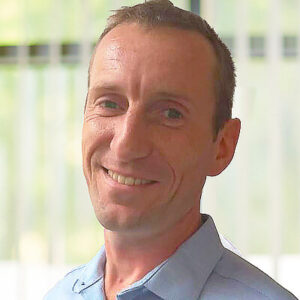
David Randall is a registrar in renal medicine at a London teaching hospital

assisted suicide

In this article, ‘assisted suicide’ is used instead of the more euphemistic and inaccurate term ‘assisted dying’, except where referring to the positions of medical institutions, which generally use the latter term. ‘Assisted dying’ was defined by the Royal College of Physicians during their 2019 poll on the issue as referring to ‘the supply by a doctor of a lethal dose of drugs to a patient who is terminally ill, meets certain criteria that will be defined by law, and requests those drugs in order that they might be used by the person concerned to end their life.’

All web reference accessed on 6 November 2019
This series arose out of discussions within the Medical Study Group of the Christian Medical Fellowship. The views expressed in these papers are not necessarily those of the publisher. CMF Files can be ordered from CMF.

Author details

  • David Randall

    a renal consultant in London

    View all posts

Related Publication


  • CMF File 70: Neutrality in bioethics

References

  1. Wilson W. Speech to the Daughters of the American Revolution. The American Presidency Project 11 October 1915. bit.ly/2ChqTJx
  2. RCGP to support decriminalisation of abortion. Royal College of General Practitioners 22 February 2019. bit.ly/33nL5VZ
  3. No majority view on assisted dying moves RCP position to neutral. Royal College of Physicians 21 March 2019. bit.ly/32m7YrB
  4. Ibid
  5. Statement on voluntary assisted dying. Royal Australasian College of Physicians November 2018. bit.ly/33nuYaW
  6. RCN position statement on assisted dying, 2014. Royal College of Nursing, 2014 (updating position adopted in 2009).
  7. Godlee F. Assisted dying BMJ 2012; 344
  8. Physician assisted dying: BMA Policy. British Medical Association 2012 (updated 2019). bit.ly/33mQwo5
  9. Assisted dying consultation analysis. Royal College of General Practitioners January 2014. bit.ly/2PT2fqG
  10. House of Lords Briefing: Assisted Dying Bill. Royal College of Surgeons, 2014.
  11. Physician assisted suicide. British Society of Geriatrics 10 July 2015. bit.ly/2JUzztf
  12. George R. Public briefing on the APM’s position on assisted suicide. Association for Palliative Medicine July 2015. bit.ly/2NmUS8Z
  13. WMA Statement on physician-assisted suicide. World Medical Association (reaffirmed October 2019). bit.ly/2pPG0XI
  14. The Neutrality Acts, 1930s. Office of the Historian. bit.ly/2WPcAVV
  15. Kick It Out: Tackling racism and discrimination kickitout.org
  16. Fawcett: Equality. It’s about time fawcettsociety.org.uk/event/stand-up-to-sexism
  17. No majority view on assisted dying moves RCP position to neutral. Royal College of Physicians 21 March 2019. bit.ly/32m7YrB
  18. Gerada C. The case for neutrality on assisted dying – a personal view. Br J Gen Pract Dec 2012; 62(605): 650. bit.ly/34Csgyt
  19. Hoffenburg R. Assisted Dying. Clin Med 2006;6:72-74
  20. Schaeffer F. Escape from Reason. London: IVP, 1968.
  21. Pearcey N. Love thy body. Grand Rapids: Baker Books, 2018:94.
  22. Tallis R. Assisted dying: why the RCP should be neutral. Royal College of Physicians 14 January 2019. bit.ly/2NQeRMi
  23. Smyth C. Bitter split on assisted dying hits Royal College of Physicians. The Times 1 February 2019. bit.ly/2WMyau6
  24. Mowat A, Chisholm J. Assisted dying: why the BMA does not poll members on nuanced ethical questions BMJ 2019; 364:1593
  25. Donnelly L. Royal College of Physicians drops their opposition to assisted dying, following controversial poll. The Telegraph 21 March 2019. bit.ly/2oTAcfB
  26. Sulmasy DP, Finlay I, Fitzgerald F et al. J Gen Intern Med 2018; 33:1394.
  27. Tallis R. Why we need to legalise assisted dying [Lecture]. British Pain Society Philosophy and Ethics Special Interest Group, Rydal Hall, July 2012:69.
  28. Murphy S. Canadian Medical Association and euthanasia and assisted suicide in Canada: Critical review of CMA approaches to changes in policy and law. Conscience Laws September 2018. bit.ly/2CkzJ9m
  29. Ibid; Johnston WP. Re: Why I decided to provide assisted dying: it is truly patient centred care. BMJ 2019;364:l412
  30. Romans 12:9
  31. Matthew 12:30
  32. James 4:4
  33. 1 Corinthians 7:36-38; 10:23-33
  34. For example, Proverbs 3:21 or Proverbs 4:4-9
  35. For example, Deuteronomy 1:16-18
  36. Ezekiel 16:49; Luke 18:1-8
  37. Job 29:11-17
  38. Psalm 45:4
  39. Psalm 45:7
  40. Acts 18:14-17
  41. Acts 21:30—23:22
  42. Matthew 27:24
  43. Deuteronomy 17:14-20
  44. Proverbs 31:8-9
  45. Royal Society of Medicine. About us rsm.ac.uk/about-us
  46. Burke E (disputed). Edmund Burke. Wikiquote bit.ly/36Gtpqm

Pages

  • About
  • Advocacy & Public Policy
  • Affiliations
  • All FAQs (Helpie FAQ)
  • Articles, briefing papers and blogs
  • Associates
  • Audio, imagery, and video consent
  • Basket
  • Become a Workplace link/Welcomer
  • Blog
  • Bookstore
  • Bringing people together to make a difference
  • Catalyst Teams
  • Change Contact Details
  • Change Your Membership
  • Checkout
  • Christians in Healthcare Leadership Network
  • Christians in Healthcare Leadership Network (Emerging Leaders)
  • CMF Catalyst Teams & specialty leaders pre-conference
  • CMF Connect | National Conference 2025
  • CMF Connect | Residents’ Conference 2025
  • CMF Global – CMF File Latest Banner
  • CMF Global – Nucleus Latest Banner
  • CMF Global – Prayer Diary Latest Banner
  • CMF Global – Spotlight Latest Banner
  • CMF Global – Triple Helix Latest Banner
  • CMF Global Christmas greetings
  • CMF Global Element – FAQs
  • CMF Group Locator
  • CMF Home
  • CMF Ireland
  • CMF Podcasts
  • CMF Scholar
  • CMF Staff Team
  • CMF’s Values
  • Conference and Meeting Rooms
  • Contact
  • could I be a mentor
  • CTCA summary
  • Current Consultations
  • Current teams
  • Day of Prayer for the Health Service | 2026
  • DeepER Fellowship Opportunities
  • Doctors
  • Donations
  • Electives
  • Euro Membership
  • Euro Membership Rates
  • Events
  • Events at CMF
  • Facts
  • Find Us
  • Finger on the Pulse podcast
  • Frequently asked questions
  • Freshers
  • Friends
  • Gift Aid Declaration
  • Global
  • Global Christmas Card
  • Global opportunities
  • Global Resources
  • Global Track
  • Graduating
  • Health + Care Sunday
  • Helpie FAQ – Group Sample
  • Home-based roles
  • How can we serve you?
  • international health professionals
  • Job Opportunities
  • Junior Doctors’ Conference 2024 Programme
  • Legacies
  • legal matters
  • Lessons from the Archive | Mark Pickering
  • Local student groups map
  • Log In
  • Login temporarily suspended
  • Meet the team
  • Meet the team
  • Member services
  • Member’s Mentoring Scheme
  • Membership
  • Membership Account
  • Membership Billing
  • Membership Cancel
  • Membership Checkout
  • Membership Confirmation
  • Membership Invoice
  • Membership Levels
  • mentoring – a great way to grow
  • Ministries
  • My account
  • Namfest Programme
  • National Conference 2025 programme
  • National Conference 2025 Weekend
  • National Conference Programme
  • NMC review of the Code and revalidation survey
  • Nucleus
  • Nurses & midwives
  • Office-based roles
  • Other events for students
  • Other ministries
  • our aims
  • Our Heritage
  • Pastoral care, wellbeing & mentoring
  • Prayer Resources
  • Prayer resources | Day of prayer 2026
  • Press and Media Enquiries
  • Privacy Policy
  • Profile: Team Leader
  • Psychiatry Day Conference 2025
  • psychiatry specialty network
  • Publications
  • Quick Guides
  • Request a call-back
  • Resident Doctors’ Conference programme
  • Residents
  • Safeguarding Policy
  • Saline Solution
  • Search
  • Seniors
  • Seniors’ Conference 2025 programme
  • Shop
  • Sign In / Join
  • Starting Work
  • Starting Work – NAM
  • Statement of faith
  • Student blog
  • Student conference
  • Student Conference 2025 Programme
  • Student Conference 2026.
  • Student graduation details
  • Student Nurses and Midwives
  • Student Programme 2026
  • Student Programme 2026 | weekend
  • Students
  • Students’ Irish Conference
  • Supporting the Family
  • Team roles
  • Test Page
  • the assisted suicide debate – some key CMF resources
  • Trustees
  • Vacancies at CMF
  • Vision, mission, aims & values
  • Volunteer FAQs
  • Volunteer Opportunities
  • Volunteering / Get involved
  • Volunteers Profiles
  • WebFX Test
  • Welcome Scheme
  • What are Catalyst Teams?
  • What We Do
  • Who are you looking for
  • Willing hearts, helping hands
  • women’s health network
  • Your Profile

Categories

  • Abortion Act
  • Abortion Decriminalistation
  • Assisted Dying
  • Assisted Suicide
  • Audio & VIdeo
  • Bangladesh
  • Bioethics
  • Blog
  • BMA
  • Brazil
  • British Medical Association
  • Cameroon
  • Care
  • Care Not Killing
  • Children
  • Christianity
  • CMF
  • Conscience
  • Conscientious Objection
  • Culture & Society
  • Disability
  • Dying
  • Ectogenesis
  • Ecuador
  • Elderly
  • Elective Reviews
  • End of Life
  • End of Life Care
  • Eswatini
  • Euthanasia
  • Euthanasia Prevention Coalition
  • Falconer Review
  • Featured
  • Francis Report
  • Gender
  • Gender Dysphoria
  • Gender Identity
  • Gender Reassignment
  • Ghana
  • Global Health – Resources
  • Global Health and Mission
  • House Of Commons
  • Human Dignity
  • Humanity
  • Humanity
  • Israel
  • Junior Doctors
  • Junior Doctors
  • Justice
  • Kenya
  • Kier Starmer Mp
  • Law
  • Leadership
  • Maternal Health
  • Medical Ethics
  • Medical Practice
  • Mental Health
  • Midwifery
  • Miscarriage
  • Nepal
  • New Technologies
  • NHS
  • NHS
  • NHS Culture
  • Niger
  • NMC
  • Nursing
  • Nursing
  • Nursing & Midwifery
  • Nursing and Midwifery
  • Nursing And Midwifery Council
  • Oregon
  • Palliative Care
  • Papua New Guinea
  • Persistent Vegetative State
  • Personal Health
  • Peru
  • Philippines
  • Physician-assisted Suicide
  • Politics
  • Politics, Society, & Culture
  • Prayer
  • Press Releases
  • Psychiatry
  • Royal College Of Nursing
  • Rwanda
  • Sex and relationships
  • Society
  • Sri Lanka
  • Start of Life
  • Strikes
  • Submissions
  • Teenagers
  • Three-Parent Embryos
  • Transgender
  • Uganda
  • Uncategorized
  • Wellbeing
  • Wellbeing
  • Zimbabwe

Archive

  • December 2025
  • August 2025
  • July 2025
  • June 2025
  • April 2025
  • March 2025
  • February 2025
  • January 2025
  • December 2024
  • November 2024
  • October 2024
  • September 2024
  • August 2024
  • July 2024
  • June 2024
  • April 2024
  • March 2024
  • February 2024
  • January 2024
  • December 2023
  • October 2023
  • September 2023
  • August 2023
  • July 2023
  • June 2023
  • May 2023
  • April 2023
  • March 2023
  • February 2023
  • January 2023
  • December 2022
  • November 2022
  • October 2022
  • September 2022
  • July 2022
  • June 2022
  • May 2022
  • April 2022
  • March 2022
  • February 2022
  • January 2022
  • December 2021
  • November 2021
  • October 2021
  • September 2021
  • August 2021
  • July 2021
  • June 2021
  • May 2021
  • April 2021
  • March 2021
  • February 2021
  • January 2021
  • December 2020
  • November 2020
  • October 2020
  • September 2020
  • August 2020
  • July 2020
  • June 2020
  • May 2020
  • April 2020
  • March 2020
  • February 2020
  • January 2020
  • December 2019
  • November 2019
  • October 2019
  • September 2019
  • August 2019
  • June 2019
  • May 2019
  • April 2019
  • March 2019
  • February 2019
  • January 2019
  • December 2018
  • November 2018
  • October 2018
  • September 2018
  • August 2018
  • July 2018
  • June 2018
  • May 2018
  • April 2018
  • March 2018
  • February 2018
  • January 2018
  • December 2017
  • November 2017
  • October 2017
  • September 2017
  • August 2017
  • July 2017
  • June 2017
  • May 2017
  • April 2017
  • March 2017
  • February 2017
  • January 2017
  • December 2016
  • November 2016
  • October 2016
  • September 2016
  • August 2016
  • July 2016
  • June 2016
  • May 2016
  • April 2016
  • March 2016
  • February 2016
  • January 2016
  • December 2015
  • November 2015
  • October 2015
  • September 2015
  • August 2015
  • July 2015
  • June 2015
  • May 2015
  • April 2015
  • March 2015
  • February 2015
  • January 2015
  • December 2014
  • November 2014
  • October 2014
  • September 2014
  • August 2014
  • July 2014
  • June 2014
  • May 2014
  • April 2014
  • March 2014
  • February 2014
  • January 2014
  • December 2013
  • November 2013
  • October 2013
  • September 2013
  • August 2013
  • July 2013
  • June 2013
  • May 2013
  • April 2013
  • March 2013
  • February 2013
  • January 2013
  • December 2012
  • November 2012
  • October 2012
  • September 2012
  • August 2012
  • July 2012
  • June 2012
  • May 2012
  • April 2012
  • March 2012
  • February 2012
  • January 2012
  • December 2011
  • November 2011
  • October 2011
  • September 2011
  • August 2011
  • July 2011
  • June 2011
  • May 2011
  • April 2011
  • March 2011
  • February 2011
  • January 2011
  • December 2010
  • November 2010
  • October 2010
  • September 2010
  • July 2010
  • June 2010
  • April 2010
  • March 2010
  • February 2010
  • January 2010
  • December 2009
  • October 2009
  • 020 7234 9660

  • admin@cmf.org.uk

  • 6 Marshalsea Road, London SE1 1HL

Privacy Policy

© 2026 Christian Medical Fellowship. A company limited by guarantee. Registered in England no. 6949436. Registered Charity no. 1131658. Design: S2 Design
Scroll to top

Join CHLN

The Christian Healthcare Leadership Network (CHLN) is an initiative of the Christian Medical Fellowship (CMF). To be eligible to join the network, you need to be registered with CMF as a Member/ Associate Member or CMF Friend. If you are not already registered as any of the above, please sign up to a member or a friend of CMF before proceeding with your application to join CHLN.
Name(Required)
Would you like to join our monthly prayer WhatsApp group? If so please provide your mobile phone number below
The Christian Healthcare Leadership Network is an initiative of the Christian Medical Fellowship (CMF). To be eligible to join the network, we ask that you are a registered CMF Member/ Associate Member or CMF Friend.
Please confirm that you are a CMF Member or CMF Friend.(Required)

You can update your contact preferences at any time. We take your privacy seriously and will not give your data to any other organisation for their own purposes. For more information see cmf.org.uk/about/privacy-notice

You can update your contact preferences at any time. We take your privacy seriously and will not give your data to any other organisation for their own purposes. For more information see cmf.org.uk/privacy-notice/

Contact the Pastoral Care Team

Pastoral Care is a member benefit for those who join CMF. If you want to access this support, contact us using the form below and we will arrange a telephone call. We aim to get back to you as soon as possible, but we are not a crisis service, and there may, therefore, be a short delay in our response.

Please note, sadly we do not have the capacity to offer this service to non-members.

Please confirm you are a CMF Member(Required)
Name(Required)
Email(Required)
Please use the best number to contact you on
e.g. morning, afternoon
Why are you contacting the Pastoral team?(Required)
We will add them to our daily prayers. Please respect patient confidentiality.
Include information on whether you would like to get some mentoring or become a mentor

You can update your contact preferences at any time. We take your privacy seriously and will not give your data to any other organisation for their own purposes. For more information see cmf.org.uk/privacy-notice/

Request a conference room

"*" indicates required fields

This field is for validation purposes and should be left unchanged.
Name*
Email*
DD slash MM slash YYYY
Please enter a number from 2 to 60.

You can update your contact preferences at any time. We take your privacy seriously and will not give your data to any other organisation for their own purposes. For more information see cmf.org.uk/about/privacy-notice

You can update your contact preferences at any time. We take your privacy seriously and will not give your data to any other organisation for their own purposes. For more information see cmf.org.uk/privacy-notice/

X